



Are you stuck for ideas on what to read this summer? Here are some favourite reads from members of the Fellows network to inspire you! Novels, essays, scientific articles, and even books written by fellows themselves, let’s discover reading from around the world to inspire your summer!
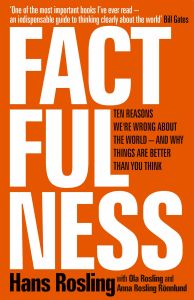 Factfulness, Hans Rosling
“It challenges many common misconceptions about the world using evidence and data. It offers a refreshing, optimistic perspective on global development while encouraging critical thinking, something that is especially valuable for anyone working in humanitarian action, public policy, or international cooperation. It’s an inspiring summer read that changes the way you see the world.” Sara from Jordan
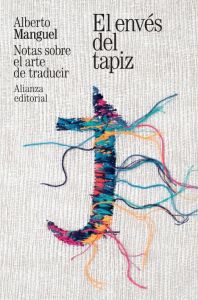 The Backside of Tapestry: Notes on the Art of Translation, Alberto Manguel
“I’m reading the Indonesian translation. As a translator myself, this book refreshed my understanding of how language can be affected by culture and gave me new insight into how translation works.” Juliana from Indonesia
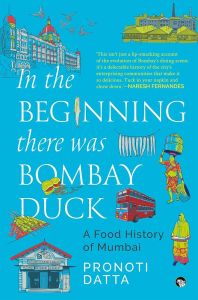 In the Beginning, There Was Bombay Duck: A Food History of Mumbai, Pronoti Datta
“I bought this book in Mumbai a few months ago. When traveling somewhere, I always buy a book written by a local writer, either fiction or non-fiction. This book tells the long history of Mumbai cuisine, which has been shaped by the many intercultural communities that have lived in the city. “ Juliana Indonesia
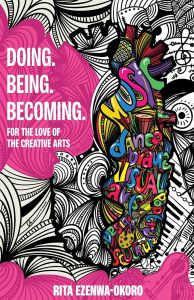 Doing. Being. Becoming. For the Love of the Creative Arts, Rita Ezenwa-Okoro
“I recommend this book because it offers a refreshing perspective on leadership, not as something we achieve, but as an ongoing process of becoming. Blending personal stories, African wisdom, and practical reflection, it invites readers to slow down, examine the lives they are building, and embrace growth with greater intentionality. It’s an ideal summer read for anyone interested in leading with more humanity, imagination and purpose.” Rita from Nigeria
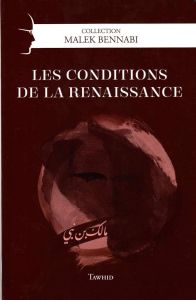 The Conditions of the Renaissance, Malek Bennabi
“He argues that the true renewal of societies begins with inner reform and a culture of responsibility rather than the mere imitation of others, emphasizing that lasting progress comes from developing people, culture, and institutions from within. His reflections on civilizational renewal and overcoming internal weaknesses remain, in my opinion, insufficiently recognized and deserve wider appreciation.” Abdelmoumin from Algeria
 Wake Up or Be Left Behind, Dr. Lawrence Muganga
“This book is a compelling call to action for Africa to embrace artificial intelligence as an opportunity rather than a threat. It argues that the future belongs not to those who fear AI, but to those who take the time to understand and shape it. Why I recommend this book: it offers a fundamental perspective from the continent on a defining issue of our time. It’s a powerful reminder for anyone interested in technology, innovation, and Africa’s place in the global digital landscape. This book promises to be a thought-provoking and essential read.” Emmanuel from Uganda
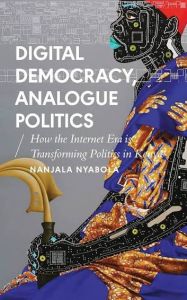 Digital Democracy, Analogue Politics: How the Internet Era is Transforming Politics in Kenya, Nanjala Nyabola
“It offers a powerful African perspective on how digital platforms are reshaping political life, moving beyond the Western centric debates we often hear. Nyabola’s analysis of online activism, disinformation, and marginalized voices makes the book both urgent and inspiring. I would recommend it for this summer and beyond, as it challenges us to rethink democracy in the digital age and highlights lessons that remain deeply relevant for Kenya and the wider world.” Hawi from Kenya
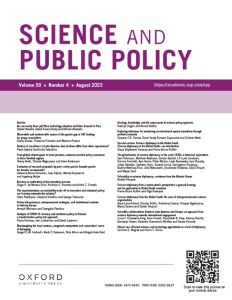 “Science Diplomacy from the Global South: The Case of Intergovernmental Science Organizations”, Rüland, Rüffin, Cramer, Ngabonziza, Saxena & Skupien, Science and Public Policy
“This article transformed the way I see who, ultimately, shapes global science. Through four contrasting case studies, from CERN to the African Light Source, a pan-African project guided by the humanist principle of Ubuntu, it shows that countries of the Global South are not passive junior partners, but strategic actors pursuing their own scientific and political goals. I recommend it to anyone who believes that fairer and more inclusive international cooperation isn’t just an ideal, but a concrete and negotiable project.” Edith from Cameroon


